
Ashland, VA, sits along the historic RF&P railroad corridor, where tree-lined neighborhoods, downtown parcels, and growing residential lots each bring different maintenance demands. Large hardwoods on smaller properties, limited rear-yard access, and fungal pressure from humid Piedmont summers can all complicate routine tree care. The tree care professionals in Richmond within this network know how to evaluate aging canopy trees, address root pressure near historic foundations, and clear storm-damaged limbs so properties stay accessible and well maintained throughout the year.
That is why many property owners in Ashland, VA, rely on Arbor Tree Care to help keep their landscapes in good condition year-round.
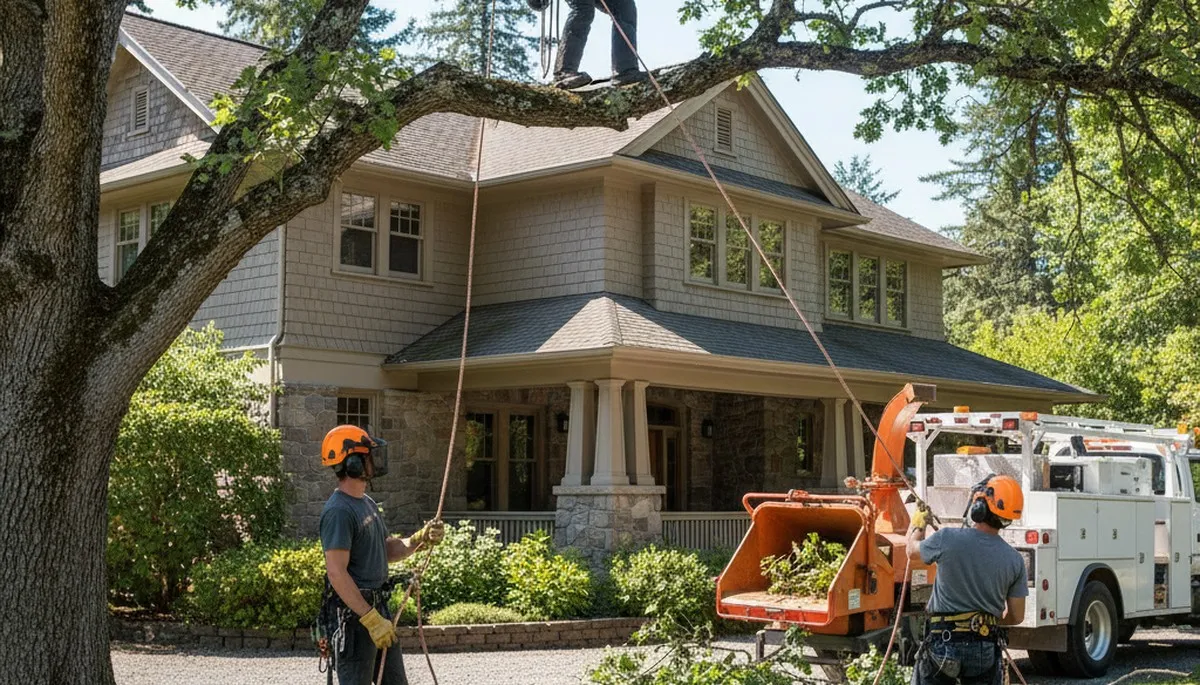
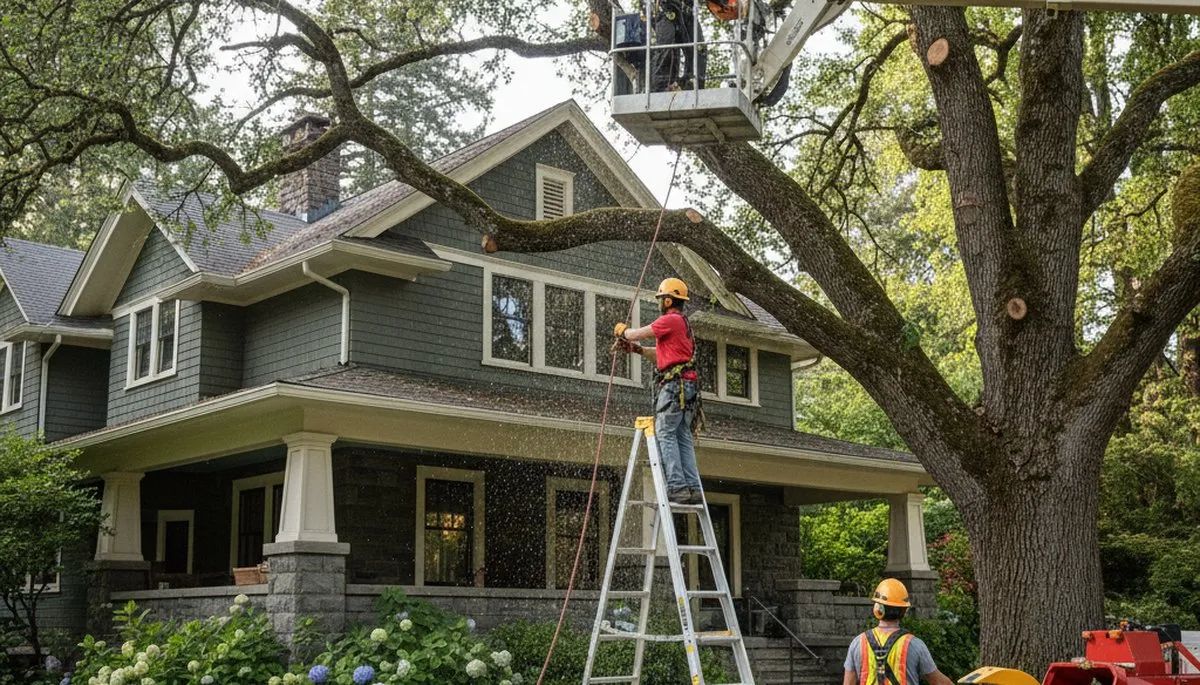

Prefer to Talk to An Expert?
(804) 208-0771
Why Ashland Property Owners Trust Local Professionals to Get It Right
Because they work in this area every day, local crews understand the mature hardwood canopy, clay-heavy soils, and compact historic lot layouts that shape tree care in Ashland. They match equipment and methods to local site conditions, including fungal pressure, storm exposure, and root conflict common throughout the area.
From professional stump removal solutions near the tight residential parcels along England Street to expert tree disease treatments for oak and sweetgum stands near the Randolph-Macon College corridor, each job is handled with careful attention to structure, access, and long-term site stability.
If you care about the condition of your property, local contractors can help keep your landscape healthy, stable, and safe in Ashland.
Our Tree-Service Services
in Richmond, VA, Include
A Service Area Designed to Fit Your Ashland Neighborhood
Ashland’s older trees and limited access points call for tree care that is tailored to each property, not handled with a standard approach. That is why local professionals adapt their methods for historic homes, suburban lots, and mixed-use spaces across the area.
Whether the property is a downtown residence near the Ashland Museum on England Street, a newer home in the Leake's Mill Road corridor, or a commercial site near the Amtrak station on Railroad Avenue, the work is adjusted to fit the setting.
From tree trimming and tree pruning to stump removal and emergency tree services, each service is planned around the character of the property and the needs of the trees.
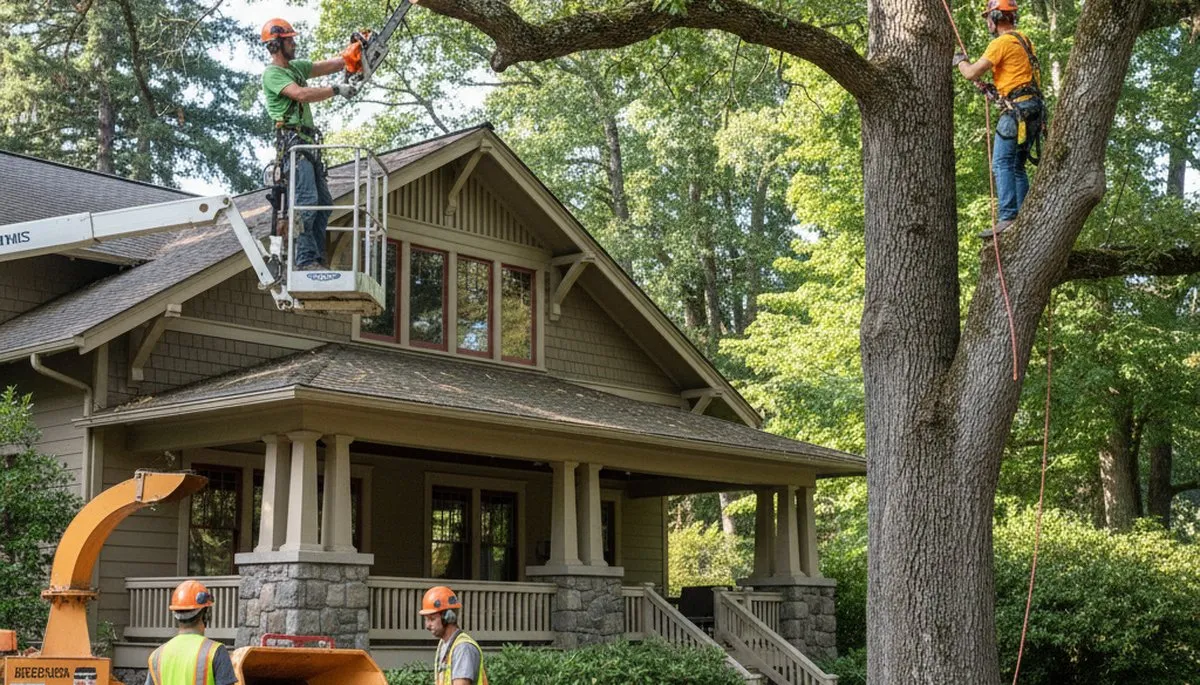
Ashland's Mature Urban Canopy, Rooted in History
Ashland grew as a railroad retreat town in the mid-1800s, and the town’s leafy streets still reflect more than a century of tree growth. That long history also brings practical challenges today, including aging tree structure, compacted soil from decades of use, and expanding root systems that affect how tree care must be performed.
Aging Hardwood Structure and Canopy Decline
Many Ashland properties, especially around Henry Clay Road and the historic downtown grid, support oak, elm, and sweetgum trees that have grown beyond their strongest structural years. That often leads to co-dominant stems, heavy limb drop, and safety concerns for roofs, driveways, and sidewalks.
Local professionals respond with selective crown reduction, targeted deadwood removal, and cable bracing when appropriate to reduce hazards and help property owners avoid long-term access problems.
Fungal Disease Pressure in High-Humidity Conditions
Ashland’s humid Piedmont summers support vigorous growth, but they also encourage recurring fungal disease in the canopy. Oak wilt, hypoxylon canker, and anthracnose can speed up dieback and weaken branch attachment across multiple trees on the same site.
Crews manage these issues with targeted tree disease treatments, seasonal thinning to improve air movement, and soil-level care suited to the dense planting patterns common in Ashland’s older neighborhoods.
Clay Soil Compaction and Root System Stress
Years of development and everyday foot traffic have left many Ashland trees struggling to take in water and nutrients through compact clay subsoil.
Trusted pros support these conditions with root protection programs, vertical mulching, and targeted tree fertilizing to strengthen root health and reduce drought stress during Virginia’s dry summer periods.
Storm Exposure Along the I-95 Corridor
Ashland’s location near the I-95 corridor means frequent summer thunderstorms and occasional nor’easters, both of which can damage canopies and break limbs across exposed properties.
Experienced crews handle storm recovery with aerial lift equipment, hand-climbing methods, and sectional removal techniques to restore safety and stability after high winds and saturated soil conditions in Hanover County.
Narrow Access and Historic Lot Constraints
Small lot boundaries and historic alley layouts are common in Ashland, especially near downtown and the Railroad Avenue district, which makes large equipment harder to use.
Local pros rely on compact track loaders and hand-carried rigging systems, with a focus on surface protection and respectful boundary management so the work fits properties with limited access.
For help keeping your Ashland property maintained throughout the year, request a free quote from a local professional by calling (804) 208-0771.
Every property should stay safe and accessible. Let Arbor Tree Care help you maintain yours.

Begin your tree service project today!

Tree Services in Ashland, VA: Care for Every Season
From regular maintenance to urgent storm cleanup, local crews help keep Ashland properties healthy, stable, and safe through every season:
Routine Tree Trimming and Pruning in Ashland, VA
- Crown cleaning for mature oaks along Henry Clay Road: Removing dead, crossing, and rubbing branches helps reduce disease entry points and improves sunlight penetration on established residential lots.
- Structural pruning for young street trees near Randolph-Macon College: Early pruning shapes strong branch structure and lowers future failure risk in busy pedestrian areas.
- Seasonal canopy thinning for sweetgum and elm stands: Opening the canopy improves airflow, which helps limit fungal spread during Ashland’s humid summer months. Crews providing tree trimming services in Mechanicsville, VA use similar methods in comparable hardwood-heavy neighborhoods.
- Clearance pruning near utility lines on England Street: Keeping branches safely separated from overhead lines helps reduce outages and limits emergency calls after storms.
- Ornamental tree shaping for historic in-town properties: Dogwood, redbud, and crepe myrtle trees near the Ashland Museum corridor receive pruning that preserves their natural form while controlling size.
Planning routine trimming before storm season helps keep canopy weight under control and reduces the chance of urgent emergency service later.
Tree Removal Services in Ashland, VA
- Hazardous tree removal from properties near the Amtrak station corridor: Leaning or damaged trees close to active rail areas and foot traffic require controlled sectional removal with strict drop-zone control.
- Dead tree removal from clay-stressed lots in the Leake's Mill Road area: Trees weakened by root suffocation in compact clay soil are removed before decay spreads to nearby trees.
- Storm-damaged tree removal following Hanover County weather events: Split limbs and uprooted root plates from summer storms are cleared quickly to reopen access. Property owners seeking tree removal contractors in Glen Allen, VA will find that crews there manage similar post-storm cleanup in heavily wooded suburban areas.
- Whole-tree removal for diseased oak and elm specimens: Trees confirmed with oak wilt or advanced hypoxylon canker are removed to help protect nearby healthy trees.
- Selective removal in dense rear-yard plantings: Overcrowded multi-stem trees competing for light and root space are removed to reduce pressure and improve the canopy overall.
Prompt removal of compromised trees helps protect foundations, driveways, and neighboring properties from secondary storm damage during Virginia’s active weather seasons.
Stump Grinding and Cleanup in Ashland, VA
- Stump grinding on compact historic lots near downtown Ashland: Low-clearance equipment can reach tight rear yards and side-lot locations without damaging masonry borders or established plantings.
- Root flare grinding for stumps near Ashland driveways and walkways: Grinding below grade removes tripping hazards and helps prevent regrowth that can damage hardscape over time.
- Post-removal site cleanup and debris hauling: Crews remove chips, surface roots, and leftover debris so the site is ready for lawn repair or replanting.
- Stump removal ahead of landscape design projects: Clearing old stumps from overgrown lots along the Leake's Mill corridor prepares the ground for new planting plans and hardscape work.
- Multi-stump grinding for subdivision lots transitioning from wooded to residential use: Growing neighborhoods in Ashland’s outer corridors often need several stumps removed before turf can be established.
Scheduling stump grinding soon after removal helps reduce insect activity, limit fungal growth, and restore usable ground for landscaping and lawn care.
Emergency Tree Services in Ashland, VA
- 24-hour storm response for fallen trees blocking driveways and roadways: Fast response after severe weather clears access routes for Ashland properties affected by downed limbs from thunderstorms and nor’easters.
- Emergency limb removal from rooftops and structures: Crews remove lodged limbs from roofs, gutters, and outbuildings without adding unnecessary damage to older or newer construction.
- Hazardous lean assessment and emergency stabilization: Trees shifted by saturated clay soils after heavy rainfall are evaluated for immediate removal or temporary stabilization to protect nearby structures and walking areas.
- Post-storm storm damage canopy evaluation: After major weather events, property inspections look for hidden hazards such as partially attached limbs, split unions, and root plate movement.
- Emergency lightning protection consultation for exposed canopy trees: Tall trees near Ashland homes and historic properties are reviewed for lightning protection options after close calls or confirmed strikes during storm season.
Quick emergency response helps limit secondary damage and restore safe access after the severe weather that affects Hanover County throughout spring and summer.